
Grass Aniimo for trade
10 grass-type creatures, most wanted first. Hardest to find right now: Tuckin, Thornblade, Melloblum.
| Creature | Role | Spare | Want | Traded |
|---|---|---|---|---|
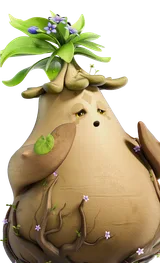 Tuckin | Break | 0 | 1 | 0 |
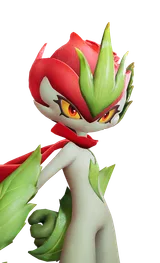 Thornblade | DPS | 0 | 1 | 0 |
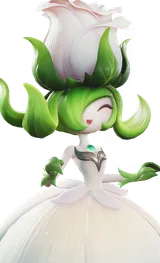 Melloblum | Support | 0 | 1 | 0 |
 Iris | DPS | 2 | 0 | 0 |
 Irisal | DPS | 0 | 0 | 0 |
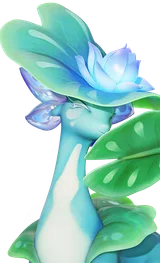 Leafy | Energy | 0 | 0 | 0 |
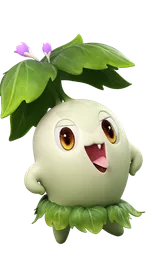 Hummin | Break | 1 | 0 | 0 |
 Budsquire | DPS | 1 | 0 | 0 |
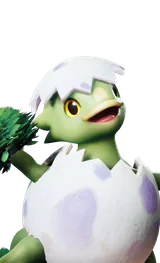 Pomegg | Break | 2 | 0 | 0 |
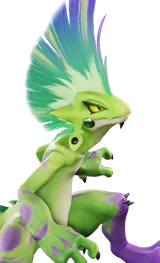 Pomawk | Break | 2 | 0 | 0 |
Which grass Aniimo you can raise instead of trading for
5 evolution lines pass through grass. If you already own the first form, the later ones are a matter of levels rather than of finding a partner — and a trade is only worth it for a form you cannot reach, or for the variant you want that nobody near you has. A line can change type on the way, so a branch is tagged where it leaves grass.
Catching a grass Aniimo instead
9 of the 10 grass Aniimo have a known spawn. Between them they turn up in Blitzwood, Forest of Falling Stars, Nimbus Fields, Rosetower Woods, Sea of Flowers, The Argent Strait, The Mistwoods. Where a creature spawns somewhere you already play, catching is usually faster than raising affinity with a stranger — trading wins for the forms that do not spawn where you are, and for the regional and weather variants that need affinity level 4.
What grass brings to a team
The 10 grass Aniimo break down as 4 DPS, 4 Break, 1 Energy and 1 Support. The highest base total among them is Tuckin at 550. Roles are why two players with the same element still want different creatures from it, and why a spare that looks ordinary to you is the one somebody else is short of. What people are asking for moves week to week; how trading works covers the affinity levels and the 30-day lock that apply to every one of them.